From Phishing simulation to real behavior change: Announcing PhishProof by VIPRE in Docebo
Security awareness training should reduce risk, not only track completion.
Too often, programs rely on annual modules and disconnected phishing simulations that fail to drive meaningful behavior change. Risk signals sit in security dashboards. Training sits in the LMS. And organizations are left measuring activity instead of impact.
Today, I’m excited to announce the launch of PhishProof by VIPRE integrated with Docebo: a partnership that connects phishing simulation directly to automated, behavior-based security awareness training.
This integration turns real-world phishing behavior into immediate learning action inside Docebo, creating a closed loop between detection and remediation.
Phishing remains one of the most common and costly cyberattack vectors. Organizations continue to invest in phishing simulation and security awareness training, yet many struggle to demonstrate measurable reduction in human cyber risk.
The challenge is fragmented.
Security teams run simulations and identify at-risk users.
Learning and development teams manage training programs and track course completion.
But without integration, a failed phishing simulation doesn’t automatically trigger targeted remediation. Follow-up training is manual, delayed or inconsistently applied. The result is a reactive approach that doesn’t adapt to behavior in real time.
As a CISO, I care about reducing human cyber risk in a measurable way. PhishProof by VIPRE integrated with Docebo closes the loop between detection and remediation by turning real phishing behavior into immediate, targeted training inside the LMS. Moving from annual training cycles to in-the-moment reinforcement is how you drive sustained behavior change.
Nitin Chopra, CISO, Docebo
Modern security awareness must be dynamic. It must respond immediately to risk signals and not wait for the next training cycle.
PhishProof by VIPRE inside Docebo closes the gap by turning phishing behavior into immediate learning action.
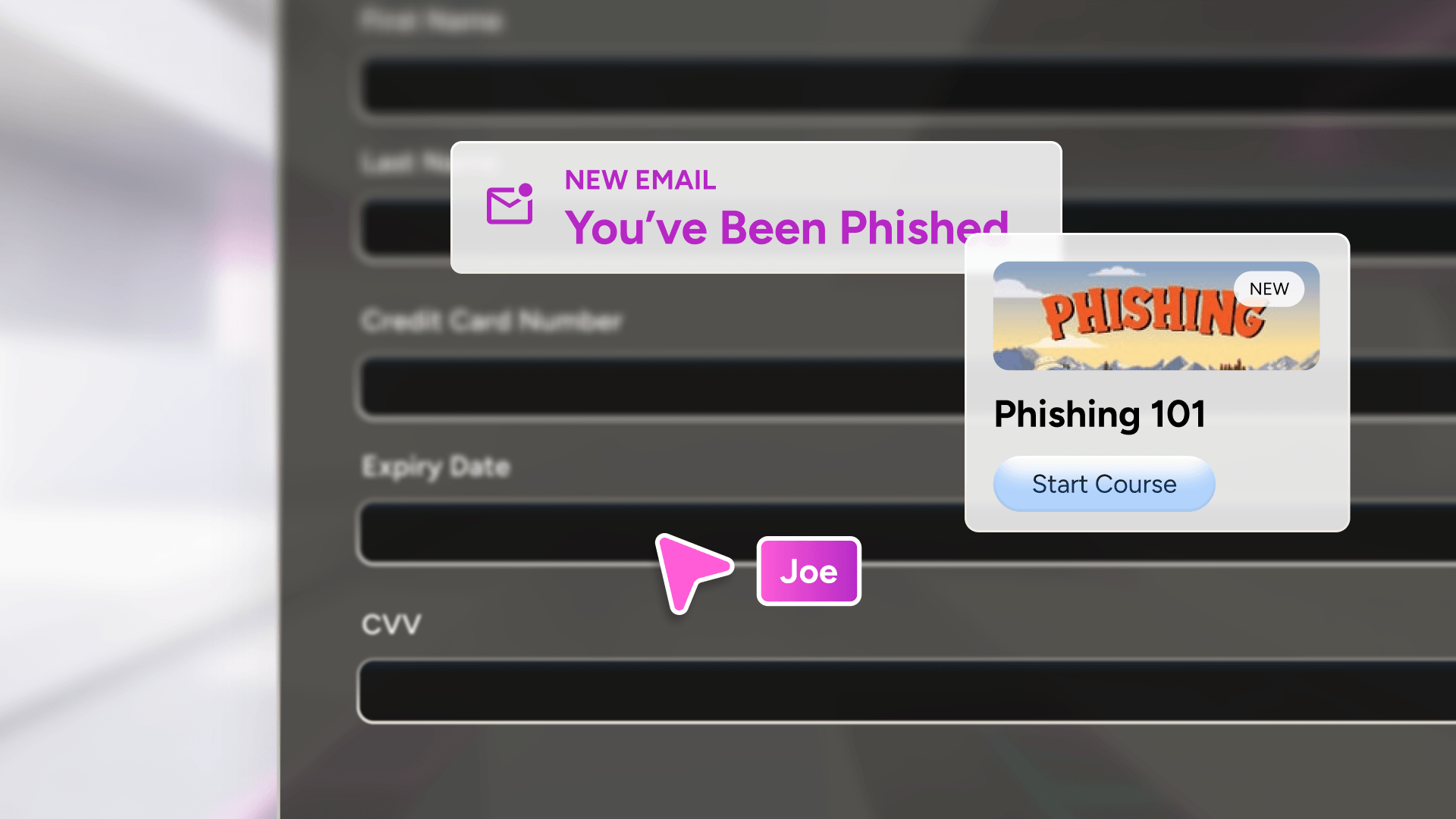
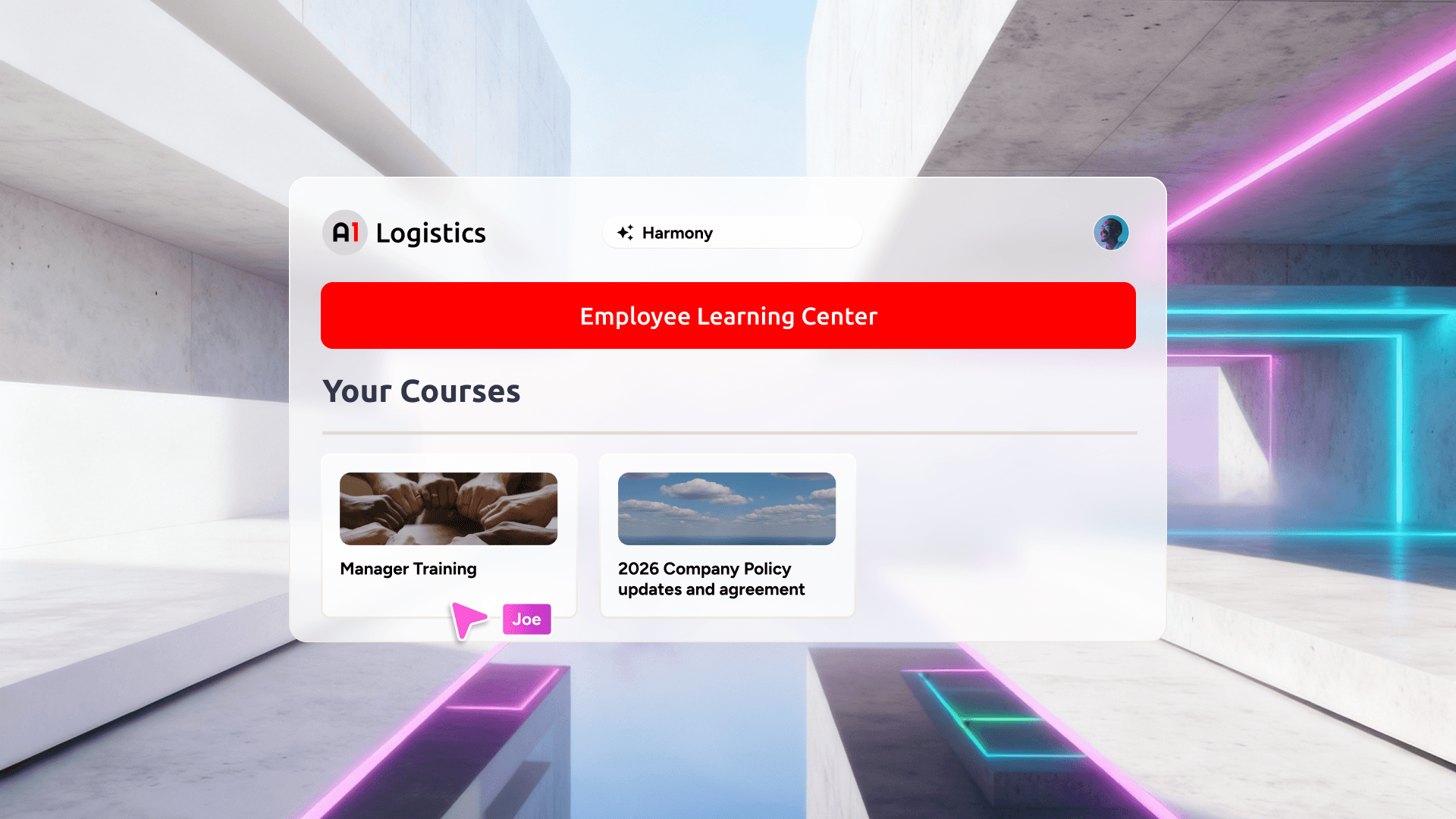
When an employee interacts with a simulated phishing attack, that behavior generates a risk signal. Through the integration with Docebo, the appropriate remediation training is automatically assigned inside the LMS.
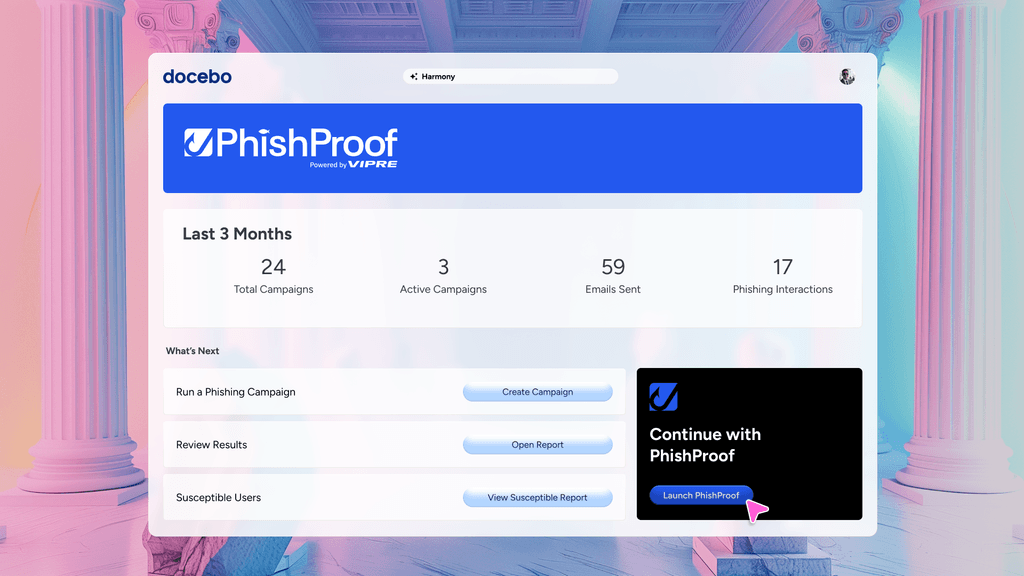
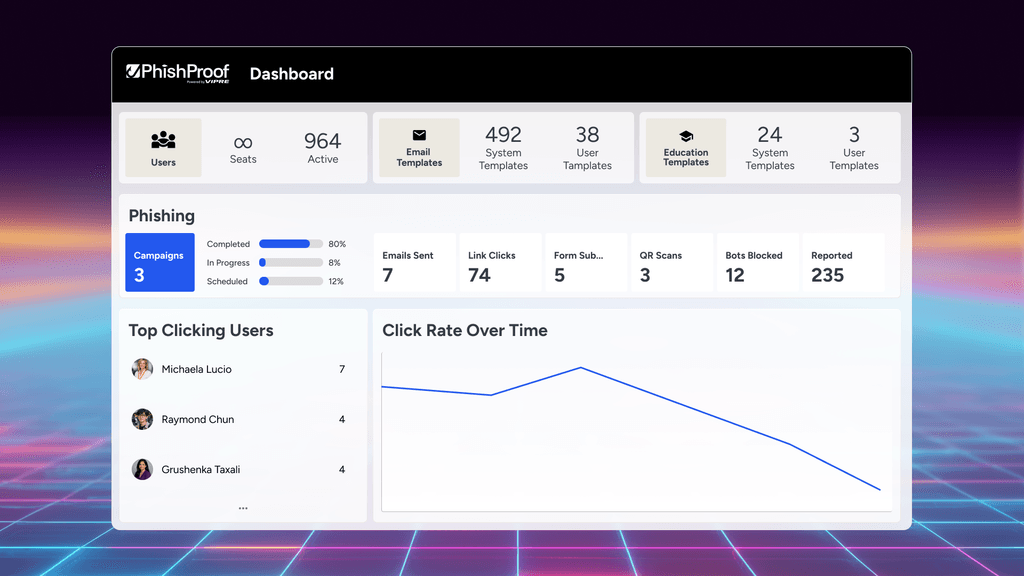
Organizations can now:
- Simulate real-world threats and capture behavioral risks
- Automatically assign remediation after phishing simulation failures
- Deliver risk-based, role-based security awareness training
- Avoid over-training low-risk employees
- Measure behavior improvement over time.
This is security awareness designed for behavior change not checkbox compliance.
Learn more about the partnership and explore the full solution here.