Skills Intelligence
Skills as smart as your workforce
Turn skills intelligence into real-time readiness with 365Talents, a Docebo company.









Ready for now. Ready for what’s next.
See the capabilities you have today. Make workforce decisions that stand up tomorrow.
Internal mobility and project staffing
Put the right skills on the right work and move talent quickly as priorities change.
Talent acquisition and recruitment
Hire with a clear view of capability so decisions hold up long after the offer is signed.
Upskilling, reskilling, and performance
Turn skill gaps into performance gains by focusing learning on what actually matters.
Employee engagement and retention
Make growth visible and worth staying for by giving people clear paths forward.
Diversity, inclusion and pay transparency
Build equity by grounding opportunity, progression, and pay in validated skills.
Strategic workforce
planning
Plan for the future using an accurate, skills-based view of your workforce today.
Skills that power real workforce decisions
See skills as they really are
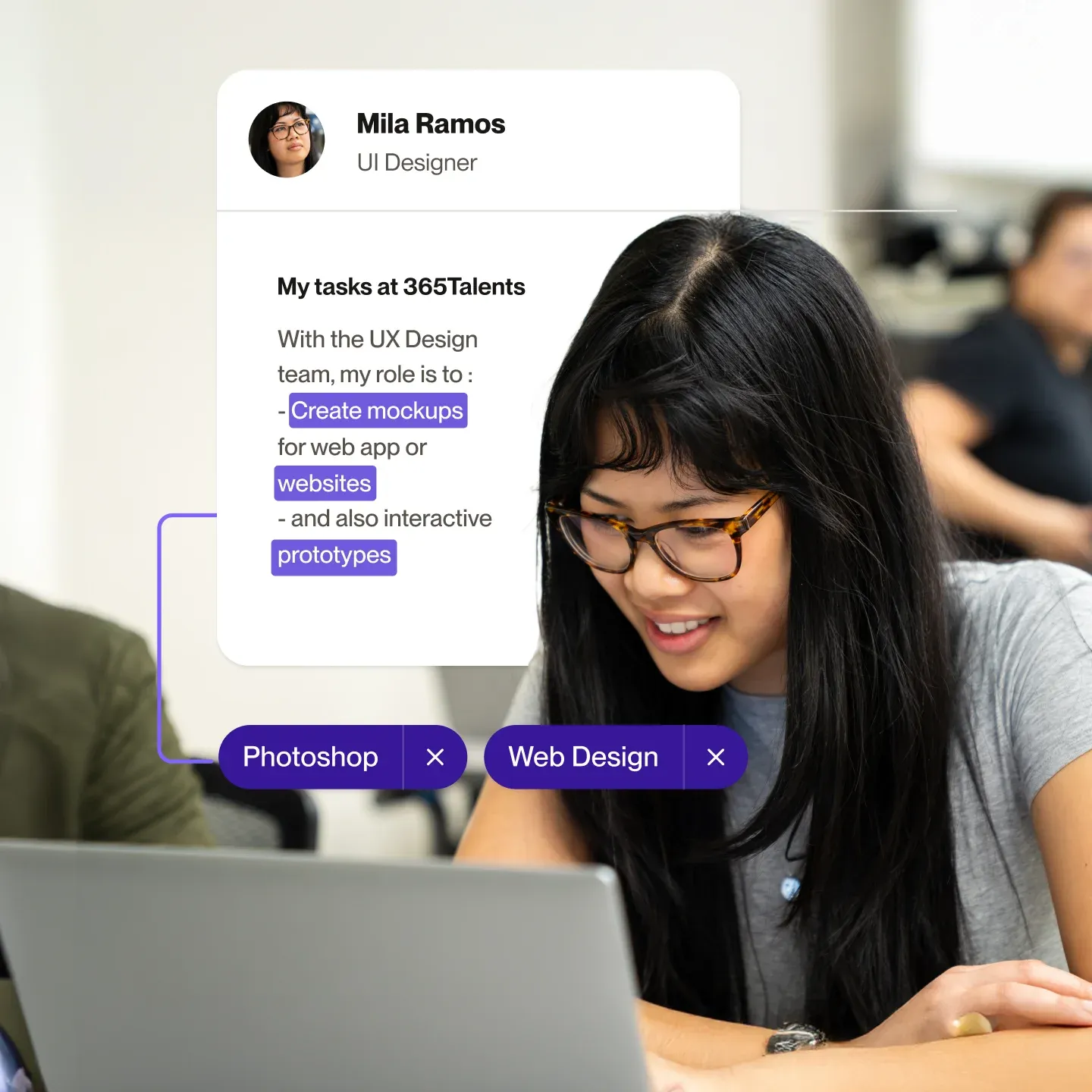
AI infers, normalizes, and validates skills from roles, experience, projects, and learning activity—replacing static profiles with a living view of capability that stays current as work changes.
Mobilize internal talent faster

Match people to roles, projects, and opportunities based on verified skills—not resumes or job titles. Redeploy talent internally, reduce external hiring costs, and maintain momentum when priorities change.
Show people where they can grow
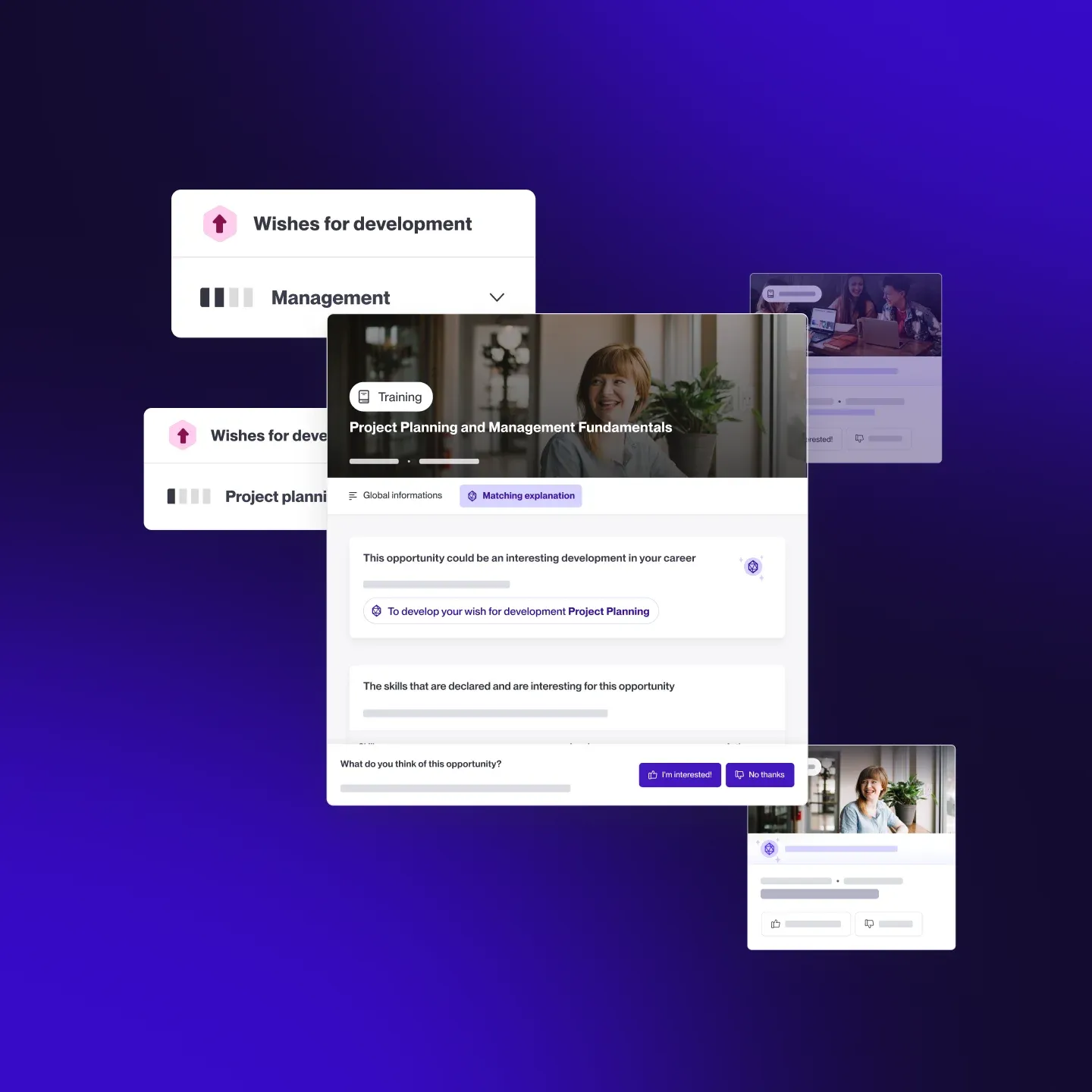
Connect employees to skill-based career paths that reflect real opportunities inside the organization. Identify what skills they need next, where development leads, and how growth ties to actual roles and projects.
Align learning to what builds capability
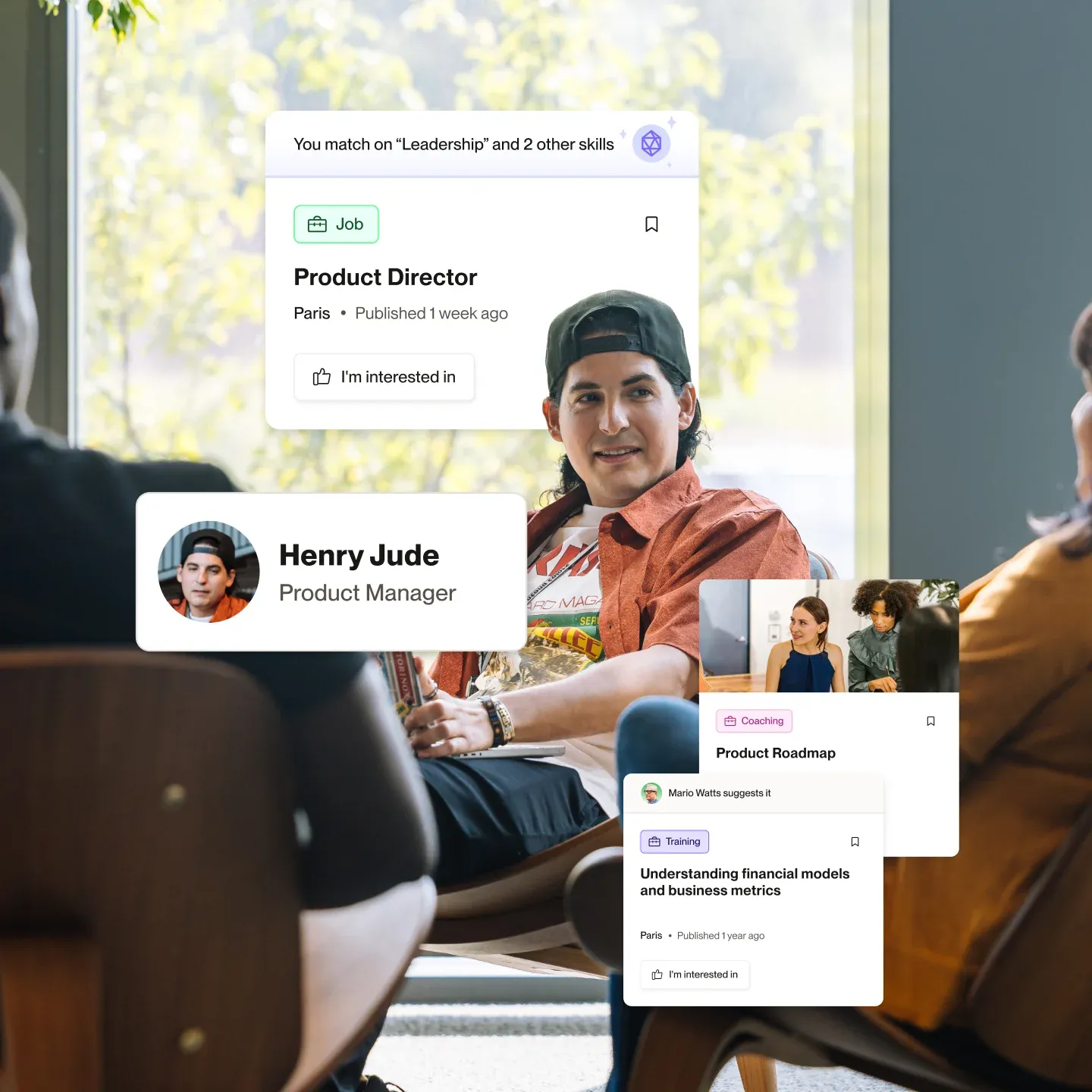
Identify skill gaps that matter, guide employees to targeted development, and track progression beyond course completion. Ensure learning investments drive readiness, mobility, and workforce outcomes.
Let AI agents do the heavy lifting
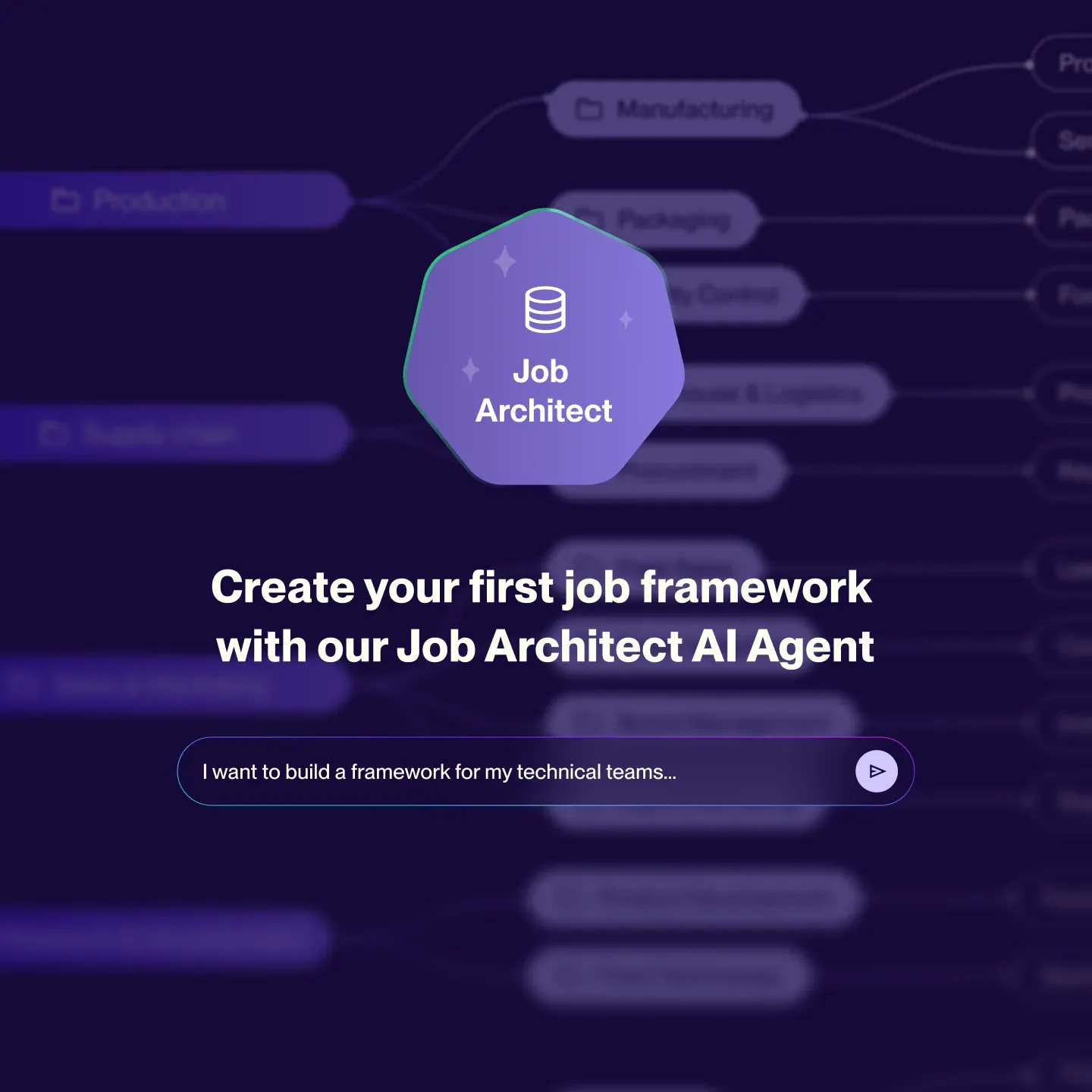
AI agents like Job Architect and Career Coach guide role design, career paths, and workforce planning—reducing manual effort while keeping people in control through governance and validation.


Adeline Azhari
HR Director, Talent Development, Eiffage Construction
“We have radically changed our views on internal mobility: In the past, employees used their network and it was a complicated process. We are now more transparent and each employee can chart their own course.”
6 weeks
to deploy


Quitterie de Fonbrune
Responsable de la planification stratégique des effectifs, Société Générale
“Thanks to 365Talents, we offer our employees personalized HR services to help them to become the drivers of their own career by helping them value, reflect and develop the skills of tomorrow.”
82,000
Users worldwide



Gwenola Martin
HR Director, Caisse des Dépôts
“Because we know this tool is indispensable for supporting our transformation, we engaged everyone in this project: HR, the digital team, the employees and 365Talents.”
72,000
Internal opportunities engaged


Sonia Fosse
Director of Human Resources, Segula Technologies
“365Talents delivered remarkable results for our project, launching the solution within 3 months and activating nearly 52% of our 4,300 users across France, Romania, and Austria by June.”
184
AI job descriptions generated


François Genet
Group Director, Careers & Internal Mobility, SNCF
“The decision to choose 365Talents was driven by two key factors: the tool’s ability to integrate with other platforms and its flexibility, which allowed it to adapt to SNCF’s specific needs while remaining a standard solution.”
2,000+
Internal mobilities per year

About 365Talents
About 365Talents
365Talents turns skills into a living system for workforce decisions. Organizations use skills intelligence to plan ahead, move talent where it is needed most, and focus development on capabilities that matter now and next.
Frequently asked questions
Skills intelligence goes beyond defining or tagging skills. It’s about continuously understanding what skills exist, how they evolve, and where they’re applied—across roles, projects, and the workforce. Solutions like 365Talents turn skills into a reliable signal for workforce decisions, not static data stored in a framework.
That’s fine. Docebo includes classic skills out of the box with Elevate. They’re designed to support learning-led skills use cases, like aligning learning to roles and guiding development.
When skills need to power workforce decisions beyond learning, such as mobility or planning, organizations can extend this foundation with 365Talents, Docebo’s advanced skills solution.
Skills intelligence supports use cases where understanding skills isn’t enough. You need to apply skills and focus development where it matters most. With 365Talents, organizations use skills intelligence to:
- Enable internal mobility and redeployment by matching people to roles, projects, and opportunities based on verified skills, not job titles
- Support workforce planning with a clear view of skill gaps, readiness, and risk across teams and the enterprise
- Reduce reliance on external hiring by identifying adjacent and transferable skills already in the organization
- Focus learning and reskilling efforts by showing where skills exist today and where development will have the greatest impact
- Make career paths actionable by connecting skills and learning to real opportunities, not abstract role frameworks
Together, these use cases ensure learning stays targeted, mobility moves faster, and workforce decisions are grounded in real capability.
AI is embedded throughout how skills intelligence works, not as a single feature, but as a continuous capability. 365Talents uses AI to infer, normalize, and validate skills from signals like roles, experience, learning activity, projects, and career moves, keeping skills current as work changes.
On top of that intelligence layer, AI agents turn insight into action by guiding specific workforce tasks:
- Job Architect builds and updates role and skills frameworks automatically
- Career Coach guides employees toward next-best roles and growth opportunities
- Strategic Workforce Planner helps anticipate skill gaps and workforce needs
- Data Analyst surfaces insights and answers questions without manual reporting
- Skills Validator supports accurate, trusted skill validation beyond self-assessment
Together, these agents reduce manual effort and help teams act faster on skills intelligence, while keeping people in control through governance and validation.
Docebo acquired 365Talents to expand beyond learning and add deep skills intelligence to the platform. Many organizations need more than skill visibility—they need to use skills to support workforce decisions like mobility, redeployment, and planning. Together, Docebo and 365Talents connect skill development with workforce execution, turning skills into something organizations can act on.